
Skip to content
Focus areas

Emissions reduction and carbon sequestration through circular resource use

Our work connects the management of resources with their environmental and commercial value. We assess the project conditions that determine whether a proposed activity can reduce emissions, store carbon or support other measurable outcomes.

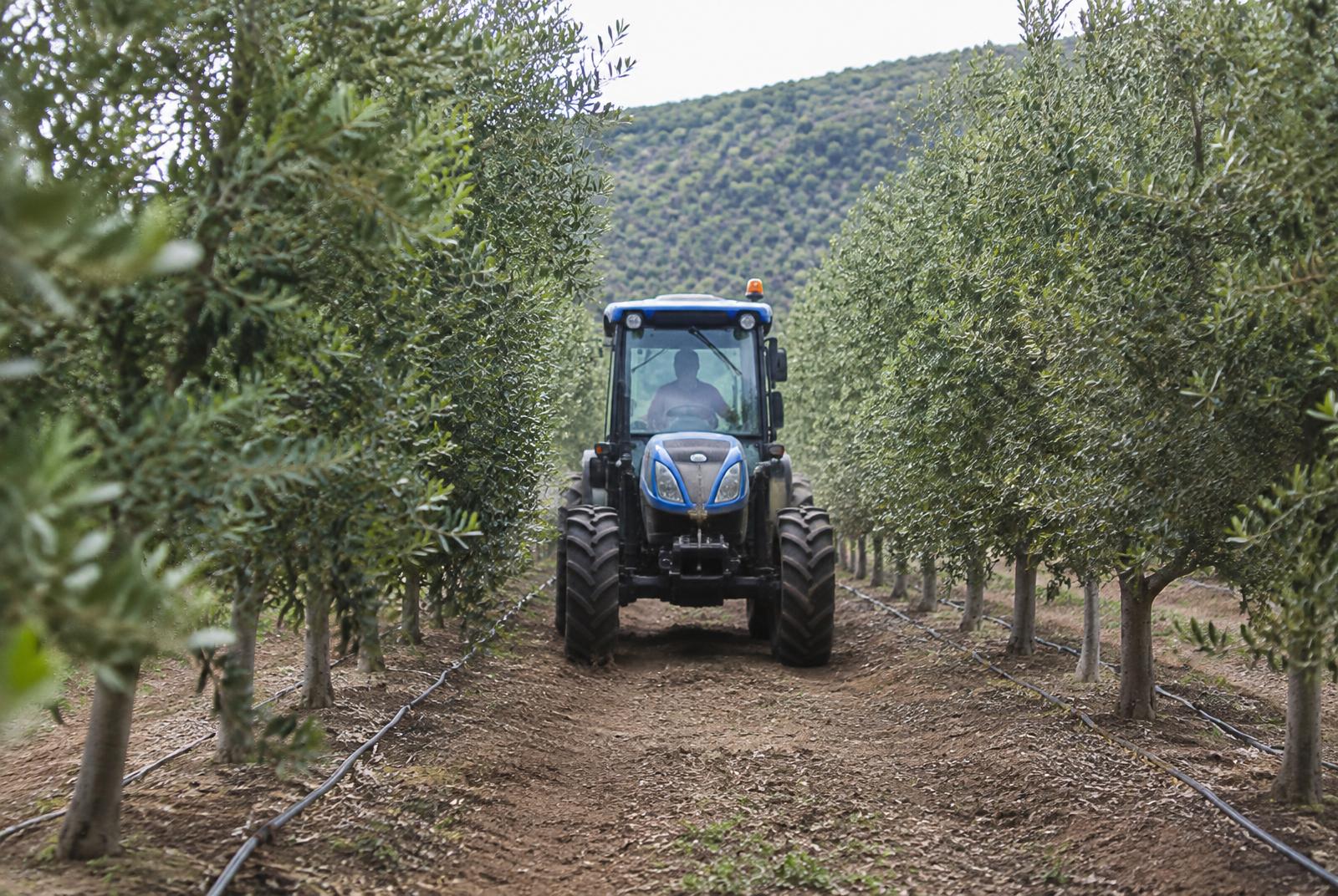
Illustrative image — orchard rows. Not a CTS site.
Illustrative image — orchard operations. Not a CTS site.
01
Compared with a baseline

Emissions reduction

Changes in resource treatment, material use and agricultural practices can affect greenhouse gas emissions.

We assess the starting conditions, proposed intervention and evidence needed to compare outcomes with a relevant baseline.

Read more

In agricultural projects, areas for evaluation may include fertilizer use, irrigation energy and residue management. A change in practice needs project-specific assessment before it supports a quantified emissions claim.
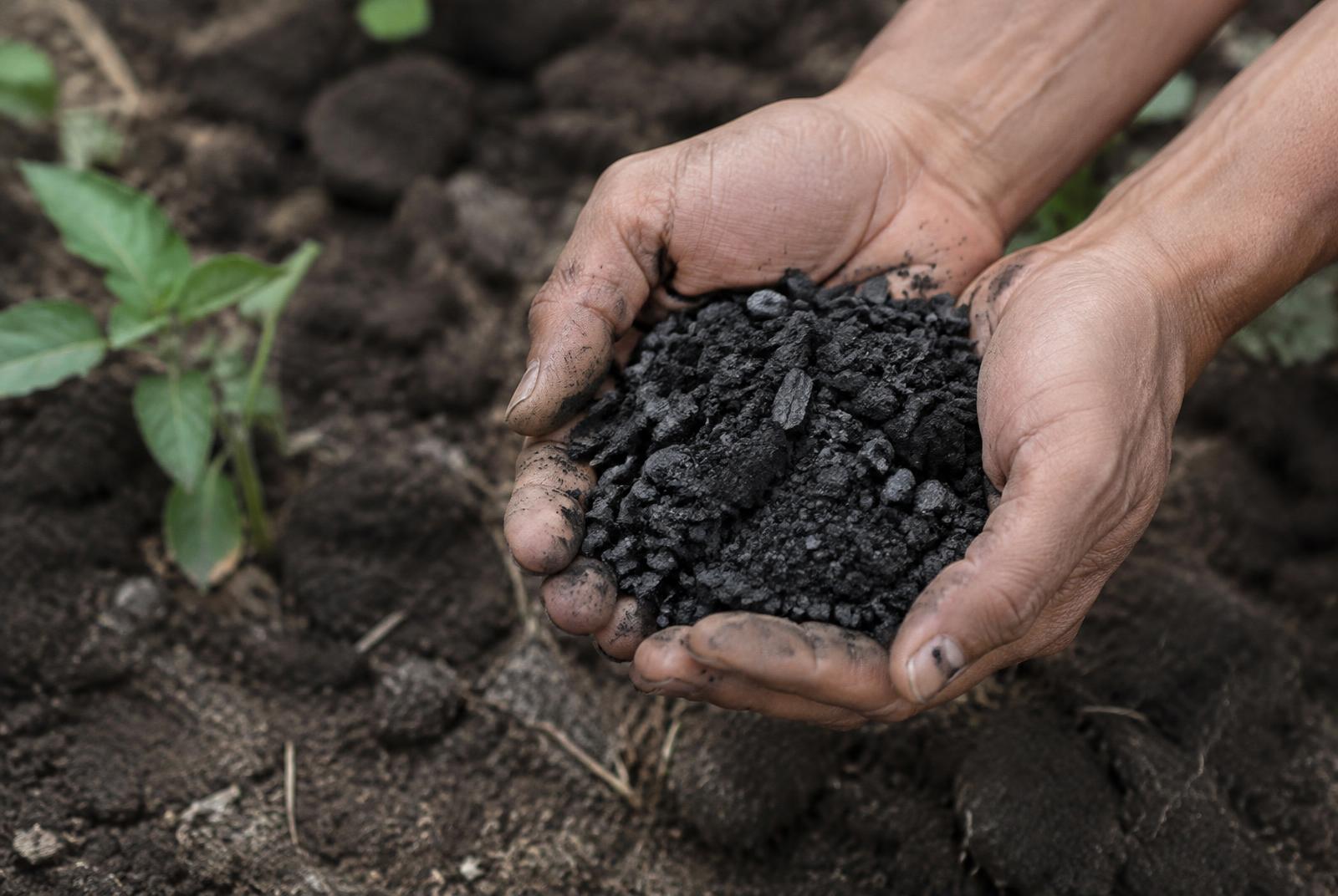
Illustrative image — biochar in soil. Not CTS fieldwork.
02
Storing carbon

Carbon sequestration

Carbon sequestration involves storing carbon.

Our current project development includes converting eligible biomass into biochar and documenting its use in suitable applications. The pathway connects material origin, conversion conditions, product quality and final use.

Read more

The climate benefit must account for the project lifecycle, including production and transport. Net carbon removal and any associated credits depend on the applicable methodology, evidence and independent verification.

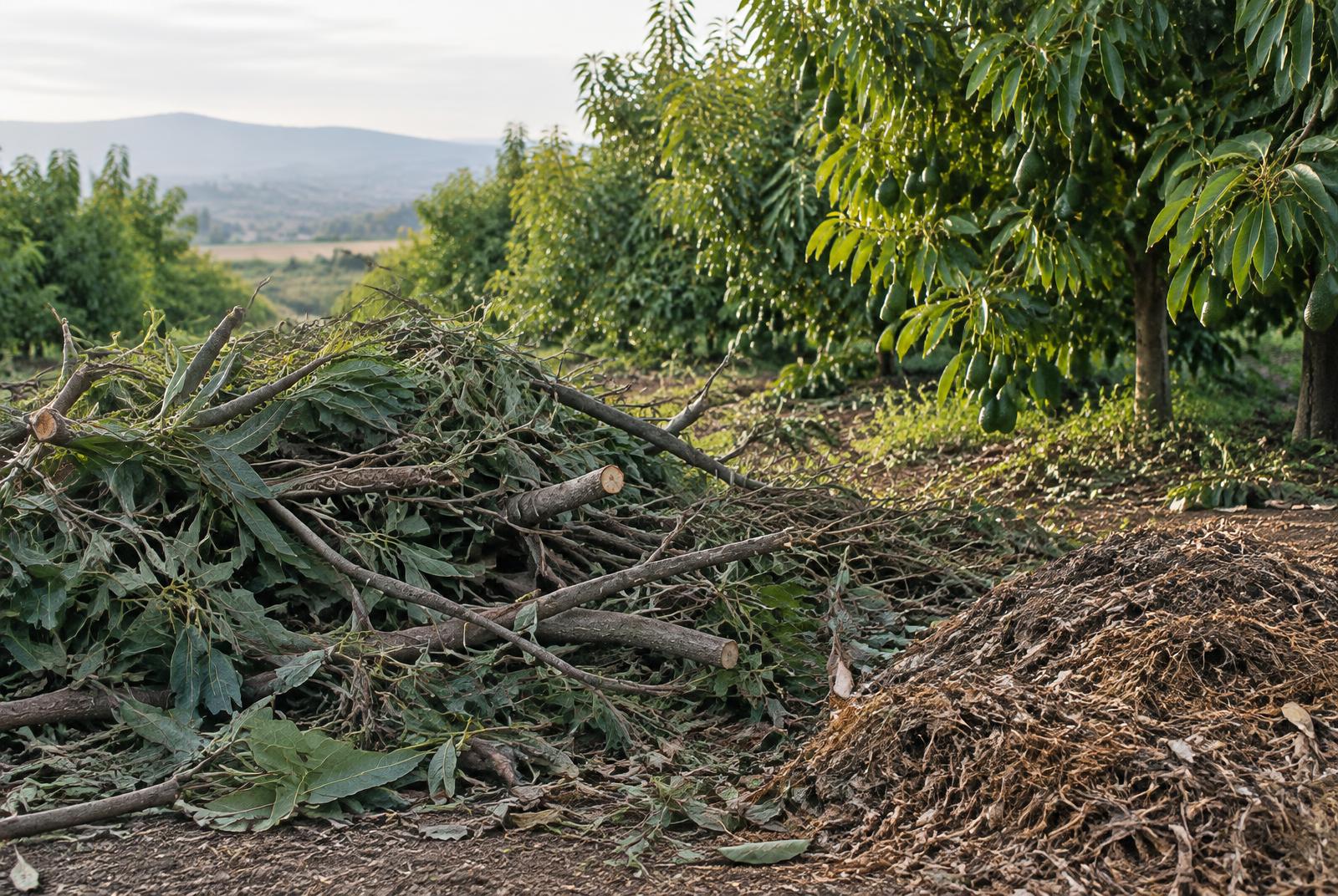
Illustrative image — orchard prunings. Not a CTS site.
03
Residues to useful outputs

Circular economy

Residues can become inputs to new products when their quality, supply and end use fit the proposed process.

We assess the full route from material collection to a useful output and a potential customer.

Read more

For biomass-based projects, this includes feedstock consistency, logistics, processing requirements, product specifications and practical use. Commercial demand forms part of the project design from the outset. Circular resource use does not by itself create carbon removal or credits.

Evidence across the project

FieldMRV supports the agricultural part of this work by organizing activity records and evidence. It helps distinguish carbon pathways from agronomic benefits and resource-efficiency outcomes, so each result can be assessed on its own basis.